
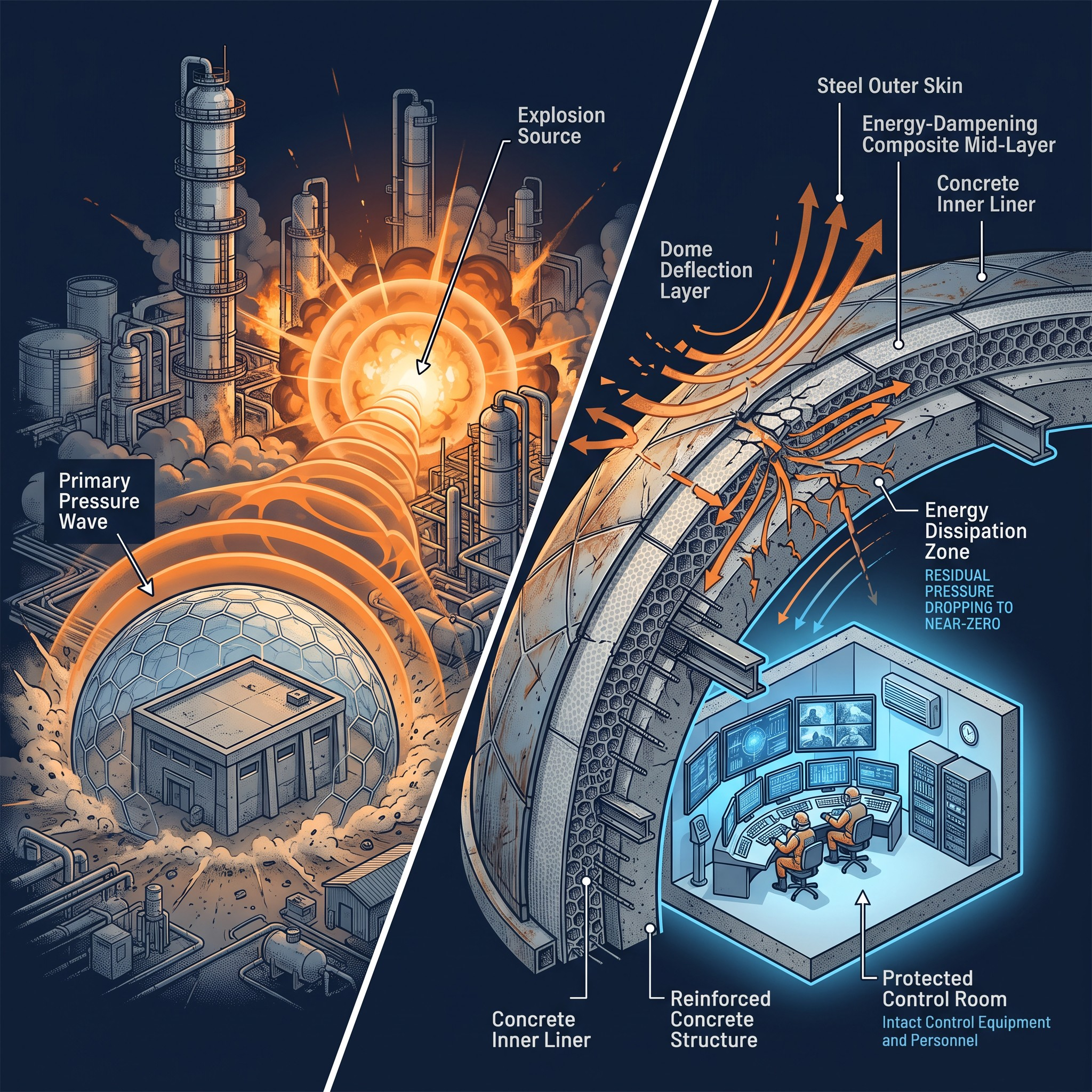
On major hazard sites, people working in occupied buildings can be exposed to serious risk from nearby process activities. Occupied Building Risk Assessment (OBRA) is a critical tool used to demonstrate that personnel are adequately protected from hazards such as explosions, fires, chemical reaction fallout and toxic releases, and that safe escape is achievable.
What is OBRA?
OBRA is a structured risk assessment that evaluates the risks to people who routinely occupy buildings on process sites. It assesses the potential impact of major accident hazards and confirms whether the existing building design, location and safety measures provide sufficient protection.
Why OBRA is important
Historic accidents such as the Flixborough explosion (1974), the Hickson and Welch incident (1992) and the Texas City disaster (2005) show the severe consequences for the occupants of nearby buildings during major process incidents. As a result, industry bodies such as the UK Chemical Industries Association (CIA) and the American Petroleum Institute (API) have issued clear guidance on the assessment, location and design of occupied buildings. OBRA is now a regulatory expectation for major hazard sites, including those governed by COMAH.
Benefits
- Reduced risk to building occupants from explosions, fires and toxic releases.
- Definition of appropriate safety design and mitigation measures.
- Identification of safer site areas and building locations.
- Evaluation of alternative building or plant layout options.
- Compliance with recognised industry guidance and best practice.
How EnTech can help
For OBRA support or enquiries, contact us at info@EnTech-Solution.com.